Does a Waterfall Bathroom Vanity Look Funny on Just One Side
45 mistakes to avoid when designing a bathroom
Sidestep these bathroom pitfalls to save time and money
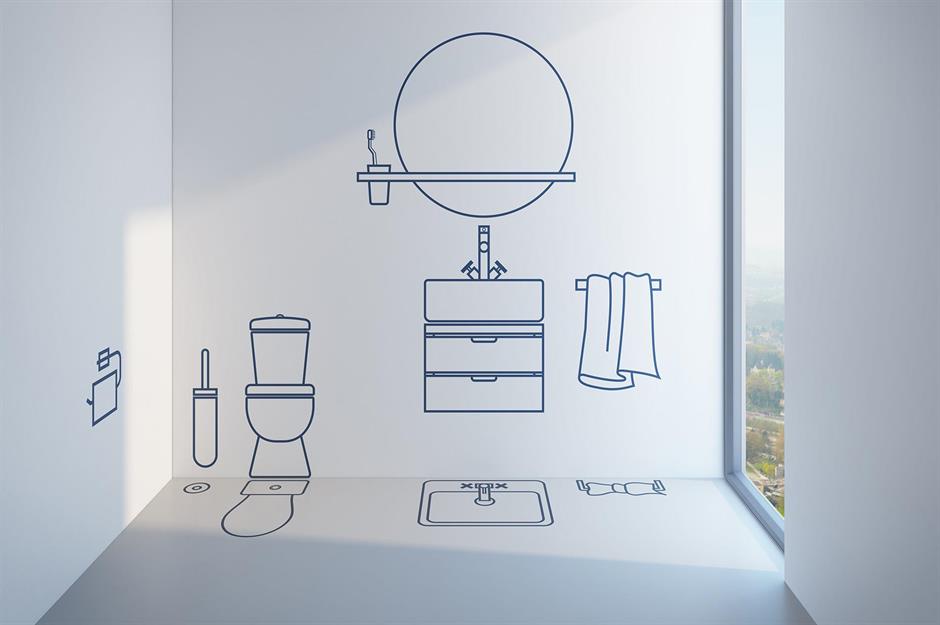
When it comes to good bathroom design there is more to consider than choosing taps and tiles (as fun as that part is). Get it right, and you will have a beautiful, functional space. Get it wrong, and you could end up with a bathroom plagued by impractical niggles or, worse, that needs to be completely refitted. Watch out for these common mistakes and designing your dream bathroom needn't become a nightmare.
Switching things around unnecessarily
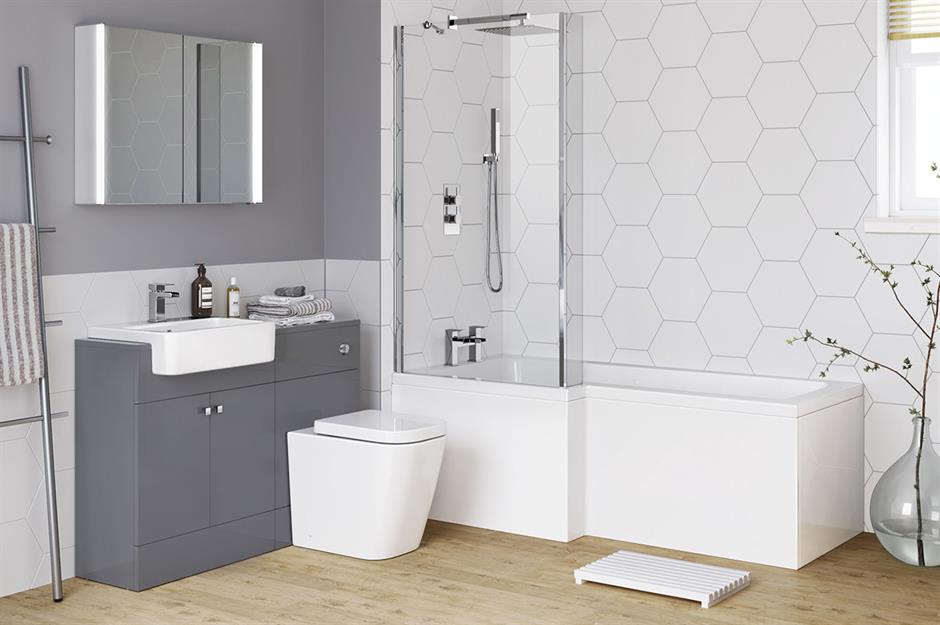
If you're renovating an existing bathroom and the layout already makes sense, think carefully before switching sanitaryware around. Moving pipes can quickly become expensive and can raise more problems than it solves. If you do want to switch things up, make sure you consult a plumber first to make sure your plan is feasible.
Overlooking the door clearing
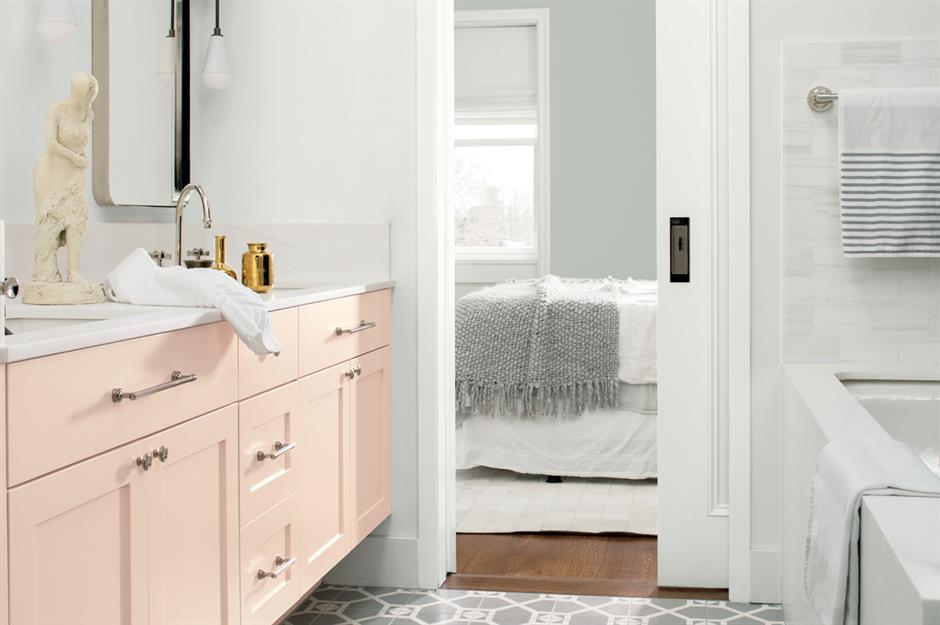
You've fitted the suite perfectly into your bathroom but 'oh no' you didn't think about the door and now it hits the beautiful new bath or vanity unit every time you enter the bathroom. If this is the case why not think about installing a sliding door to maximise the space you have in a small bathroom.
Buying the wrong shower screen
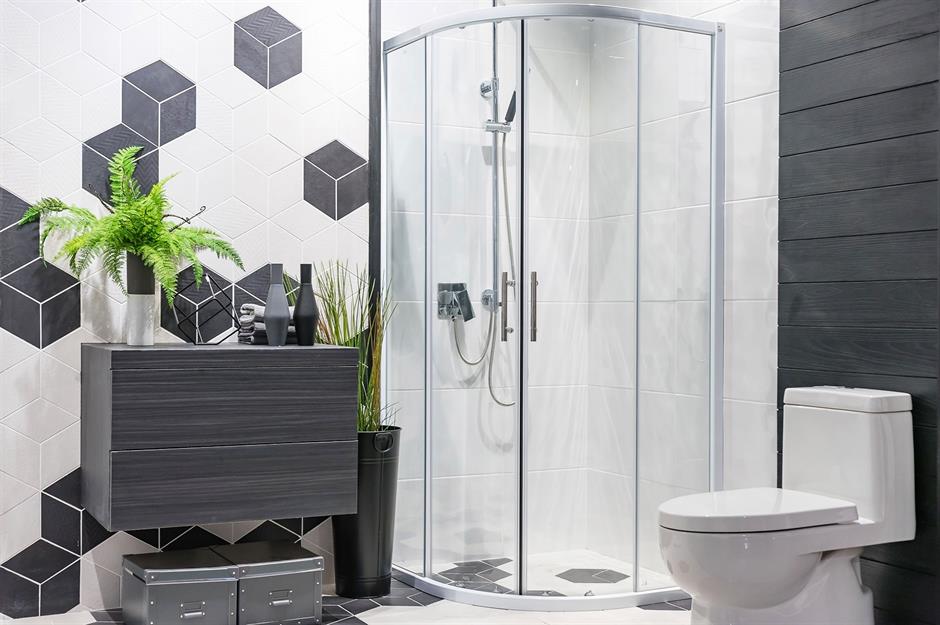
A leaky shower screen can be super annoying as no one wants to be continuously cleaning up a wet floor. Be sure you have measured for and installed the door properly, have effective caulking to seal the door as well as a good quality door sweep that can be cleaned easily.
Not considering bath tap positioning
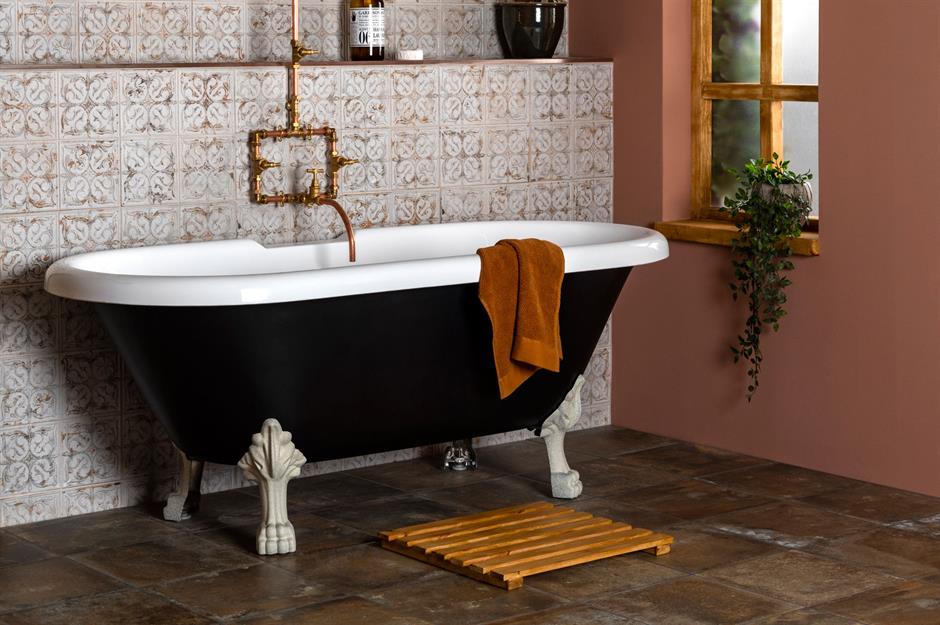
It's all very well going for striking feature taps that look ultra-chic but if you share the bathroom with other family members perhaps it's best to think about practicalities first. A large central bath tap that juts out the centre of the bath can be dangerous when bathing little ones or a cascading mixer tap might get in the way when using the overhead shower.
Not treating wood finishes
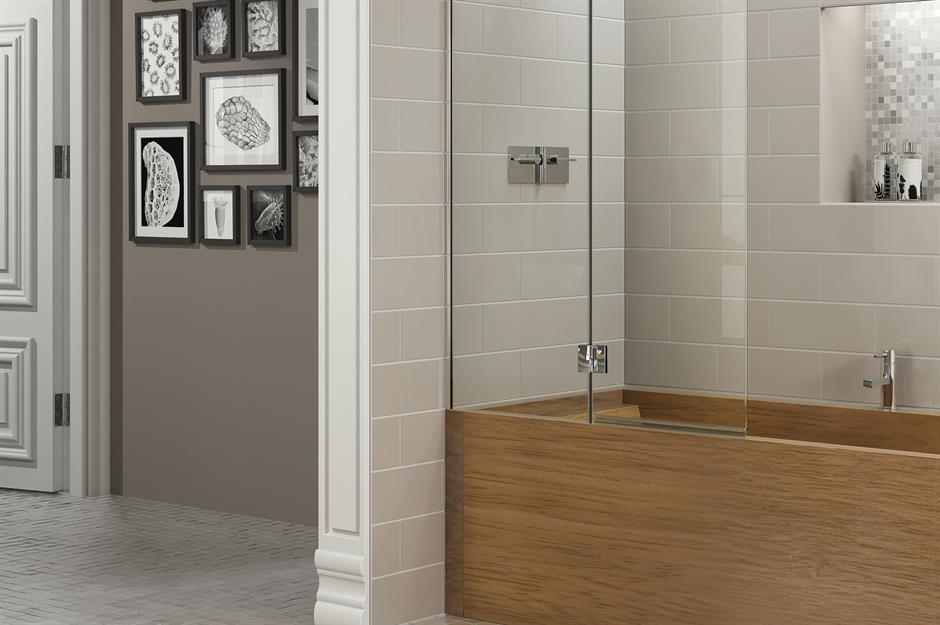
Wooden fixtures are a stylish luxury bathroom trend but before you go installing that country-style wooden panelling or choosing an oak fronted vanity unit, be sure it has had the correct treatment to protect it from humidity and water which could lead to a quick onset wood rot.
Not shopping around

Builders' quotes can vary wildly. The only way to get a sense of how much a project is really worth is to compare several quotes and query the builders about any discrepancies. Get at least three quotes, ideally based on personal recommendations, and always ask for references. It goes without saying that the best price may not give you the best result, so consider carefully before opting for a quote that vastly undercuts all the others.
Missing trade discounts
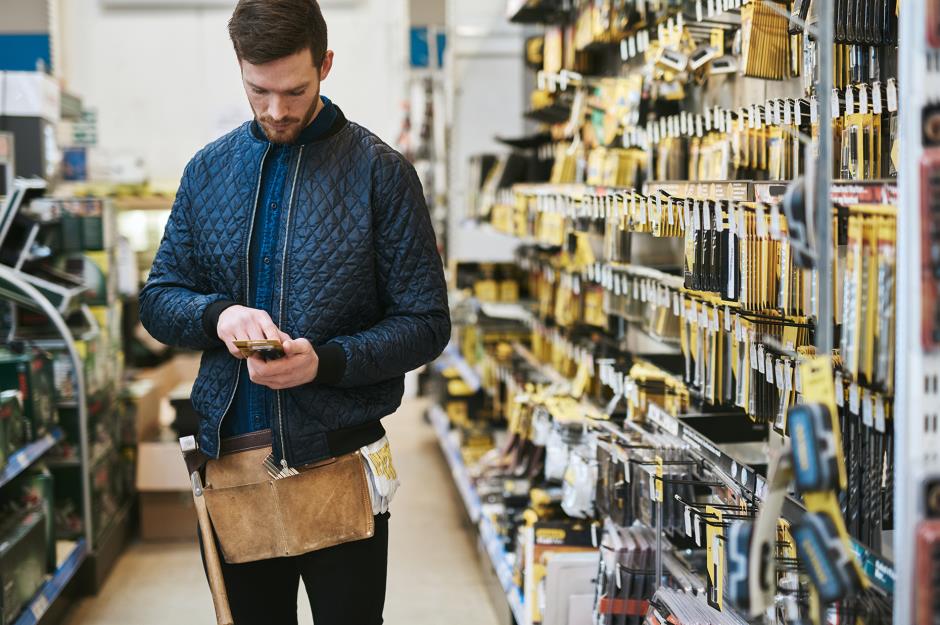
Many suppliers offer considerable trade discounts to builders. Ask your builder about this before work starts and see if you can agree to split the discount, with you claiming part of it and your builder taking a cut for the time and effort of arranging the discount and placing the orders.
Miscalculating delivery times
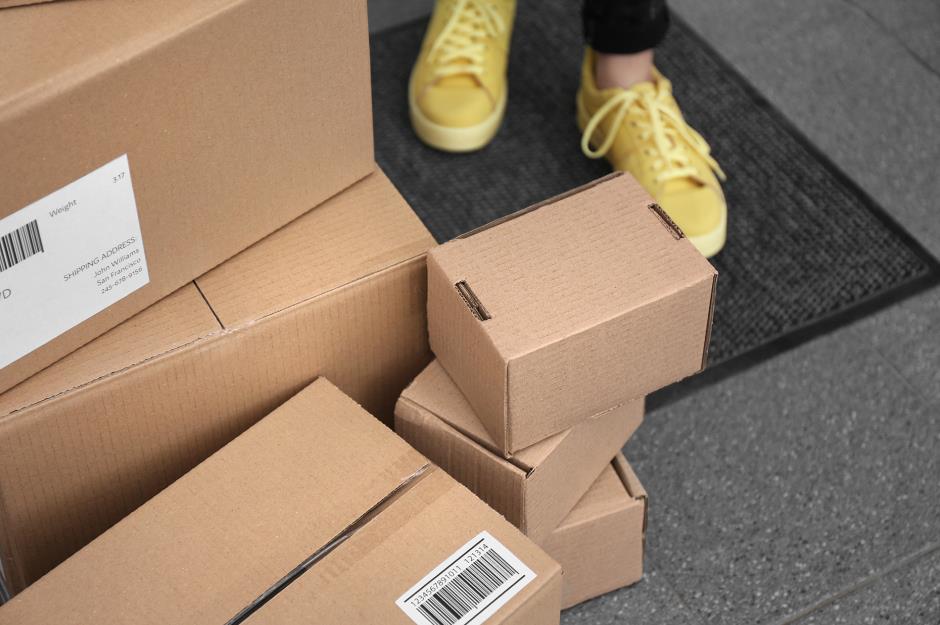
Your bathroom is perfectly planned and the builders are poised to make it become reality – but this is no use whatsoever if your sanitaryware, tiles and other fittings haven't been delivered in time. Make sure you check the lead times for all items well in advance and place your orders accordingly to avoid paying workpeople to twiddle their thumbs while you're left without a working bathroom until everything arrives.
Not checking orders as they arrive
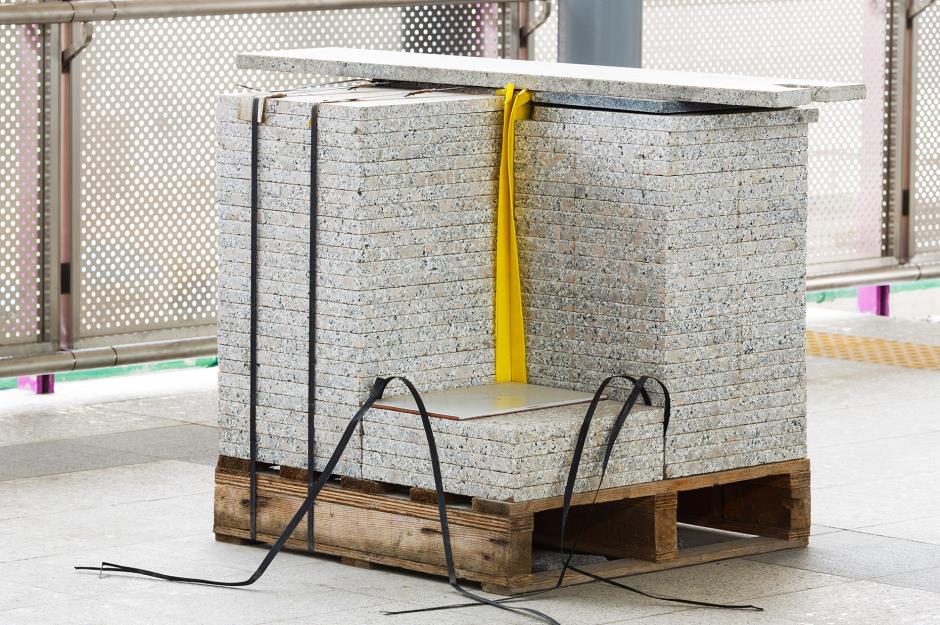
If you've been super-organised and ordered your bathroom supplies well in advance, don't just put them to one side until they're needed. Unpack and check each item to make sure it's exactly what you ordered and that nothing is broken. You may have a limited time window in which to return faulty goods.
Lazy layouts
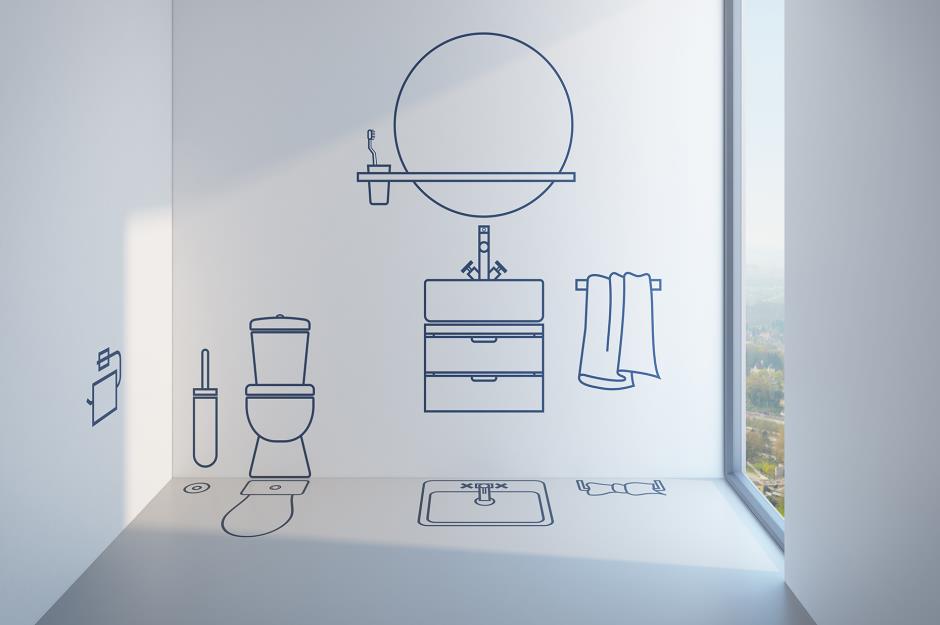
When it comes to a practical space like a bathroom, function has to come before form, especially in a small bathroom. Make sure you allow enough space between sanitaryware so people can move around and sit or stand comfortably – for example, there should be at least 60cm between the toilet and anything that's in front of it. Towel rails should be fitted within easy grabbing distance of the bath or shower and cupboard and shower doors need to open without obstruction.
Blowing the budget

Bathrooms are notorious for harbouring hidden costs. Rusted pipes, rotting joists, dodgy electrics and endemic mould are just some of the nasty surprises you might uncover once you start lifting up tiles and floorboards. If at all possible, allow a 15 to 20% contingency fund so you're prepared for the unexpected.
Poor pipe planning
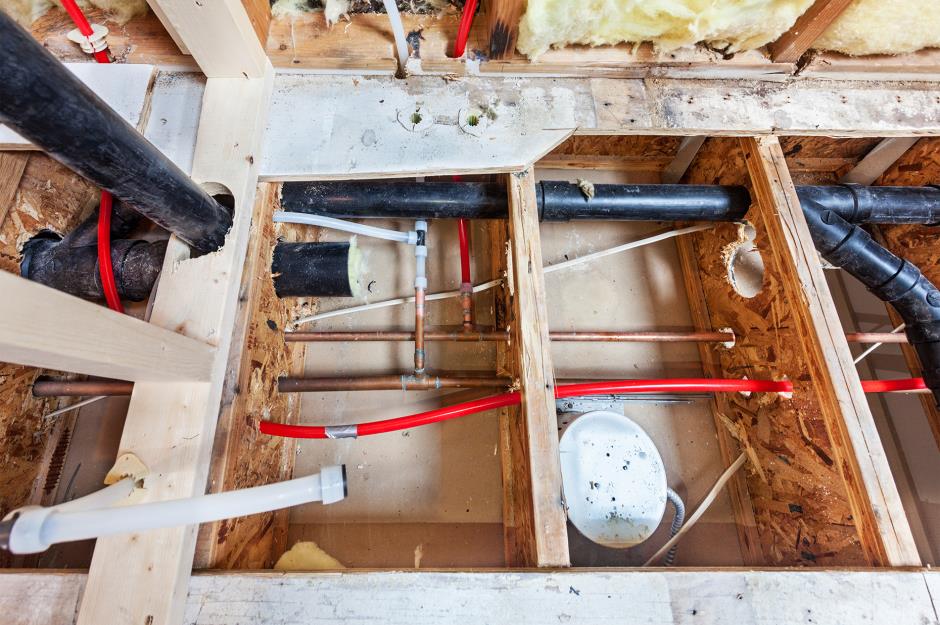
But before planning your layout, there's a more important underlying issue to address first: where are your pipes going to go? Start with the soil stack, the wide pipe that carries off waste water from your sanitaryware. Your loo needs to be a maximum of 6m from the soil pipe to allow for proper drainage. Showers, baths and basins should be a maximum of 4m away. Consider how smaller pipes will reach the soil pipe, as this may be affected by the layout and condition of your underfloor joists.
Dismissing privacy
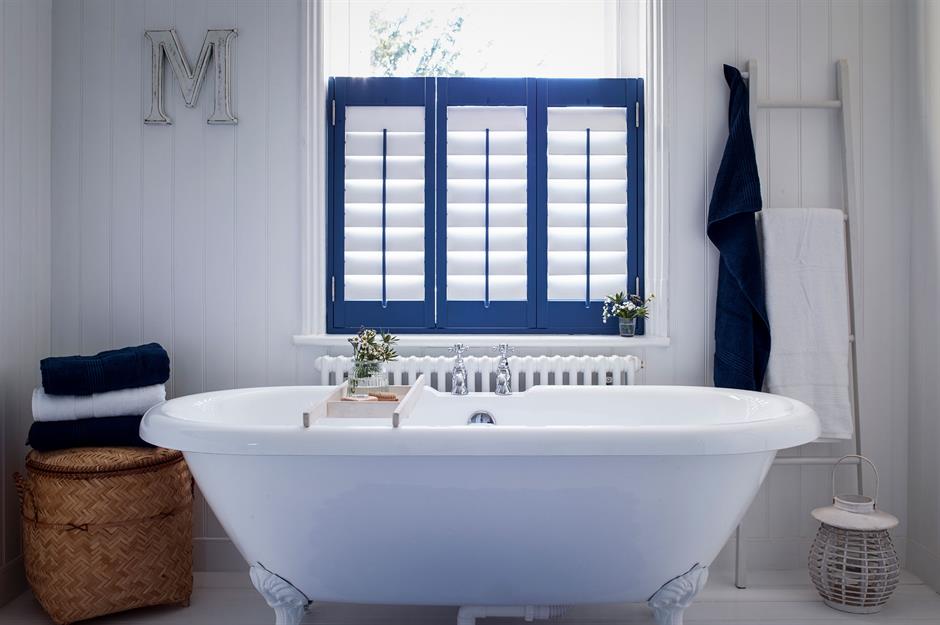
A bathroom window is vital for light and ventilation but it can leave you exposed to prying eyes. Adding shutters is a practical window dressing solution for controlling light and privacy as you need it especially when a bathtub has been strategically placed to enjoy a beautiful view. These pretty café shutters offer a pop of colour to the bathroom scheme too.
Ditching the bath
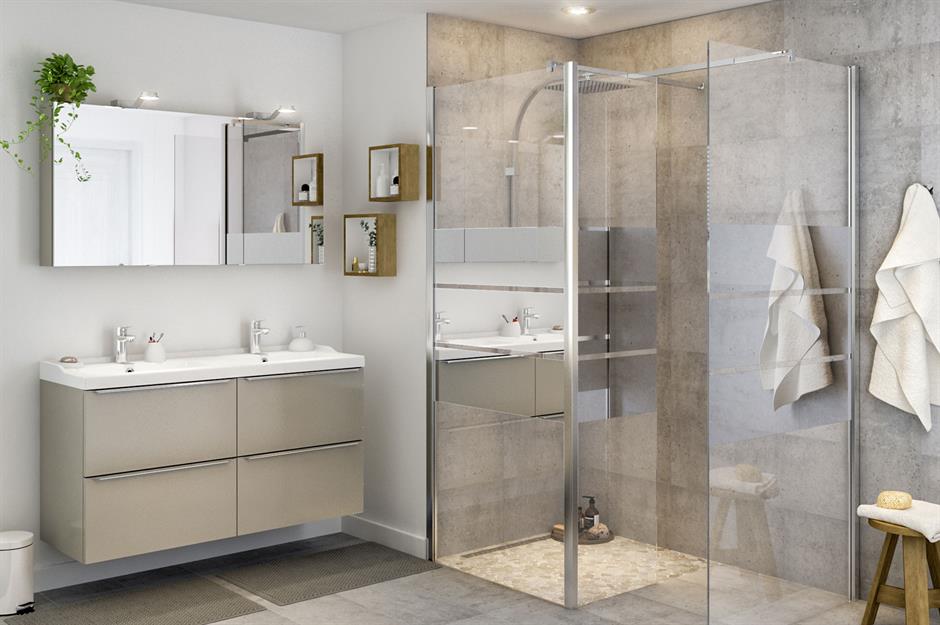
It might seem a modern and space-saving solution to leave the tub out of your bathroom plan but think carefully before you do. There are many situations a bath could be more practical than just a shower. Also, should you be thinking of moving on in the future, it is often a necessity on prospective buyers' lists. Factor in both if you can or opt for a combination of the two with an over-bath shower, which can look beautiful too.
Mismeasuring for the bath
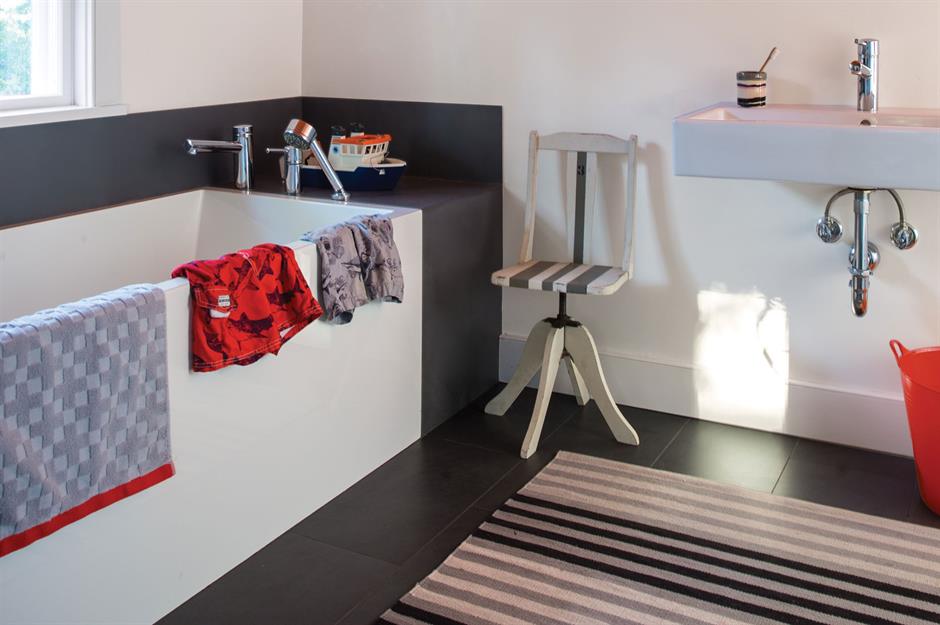
Baths come in many shapes and sizes so it is all too easy to order the wrong size, which is frustrating, timely and costly. Measure the length, the back-to-front space for the width, the floor-to-top for height and finally the depth. Also, take into account any additional space you may need to incorporate for shower heads and mixer taps.
Thinking too big for a small space
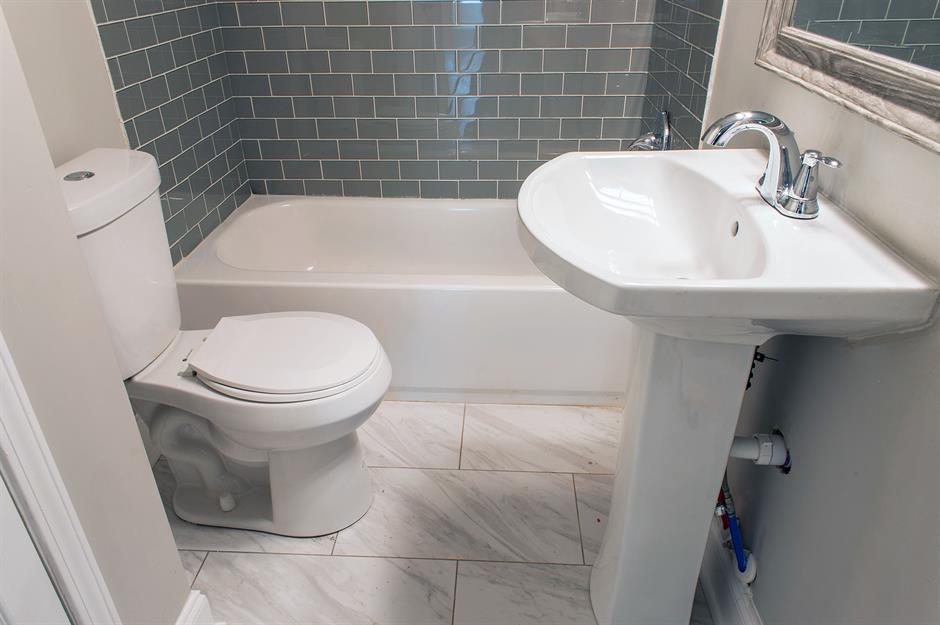
Your ideal bathroom may include a roll-top bath, walk-in shower, twin basins and oodles of storage but you have to work with what you've got or risk ending up with a cramped, impractical space. Pick just one of your dream items – the roll-top bath, for example – and keep everything else compact. If your bathroom is really tiny, add luxe touches in your finishes instead.
Ignoring wall space
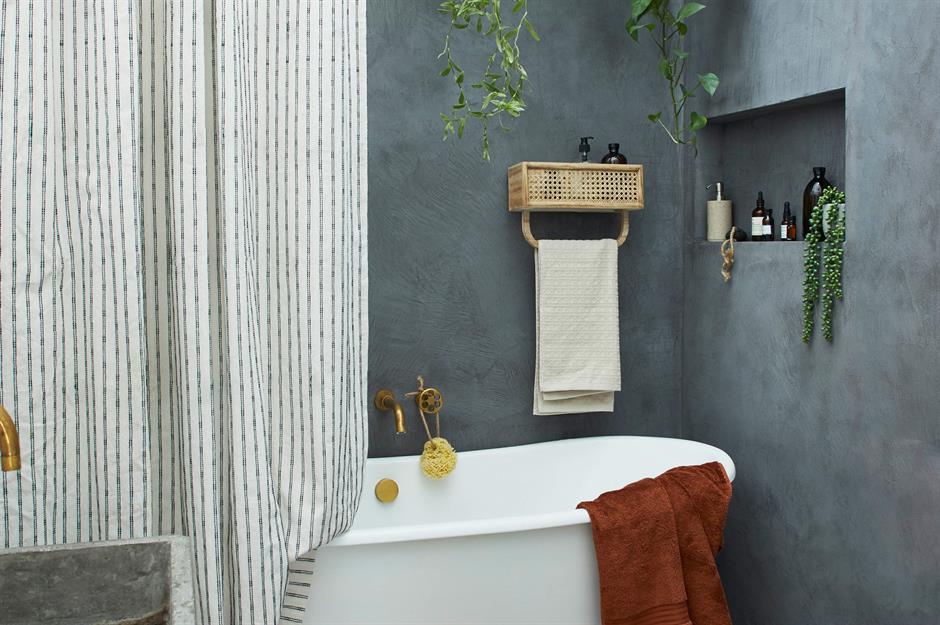
Wall space in bathrooms is often overlooked but thought about properly can be a useful storage provider. Shelves with towel storage make a decorative statement and cutout alcoves add depth that is perfect for stylish toiletries and bathroom plants. As the saying goes 'buy cheap, buy twice', so when adding storage a cheap finish will rust, corrode and may even damage other surfaces. Whereas, stainless steel has durable and hardwearing qualities that will last for years to come.
Forgetting to futureproof
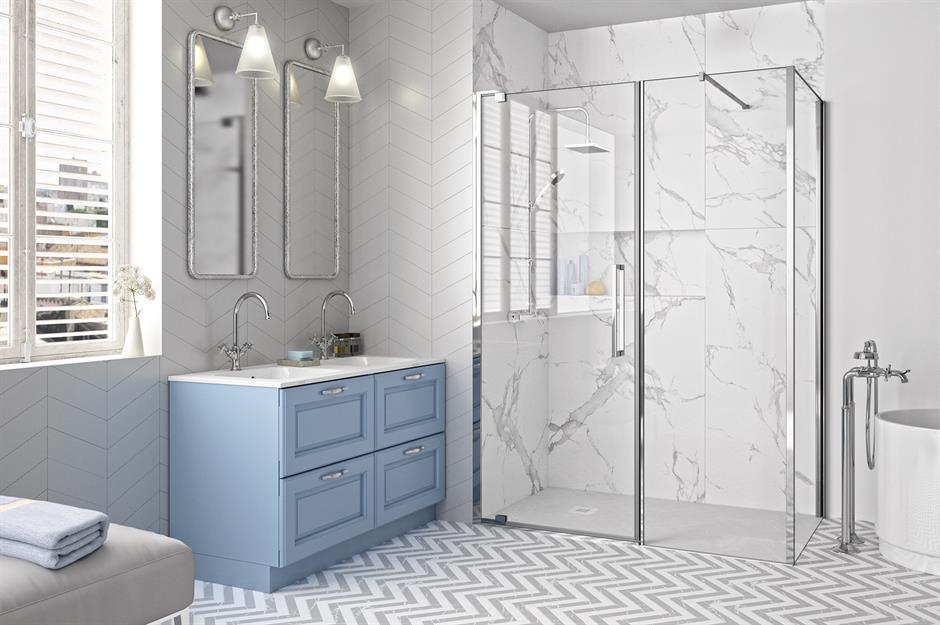
If you're in your 'forever home' then think about setting up the bathroom to be safe and functional as you and your family get older. Non-slip surfaces, grab handles, flat walk-in showers like this one and swapping twisting knobs for lever taps can make the transition a little easier. If you're not quite ready for that, think about leaving space to add these details in later.
Not including enough storage
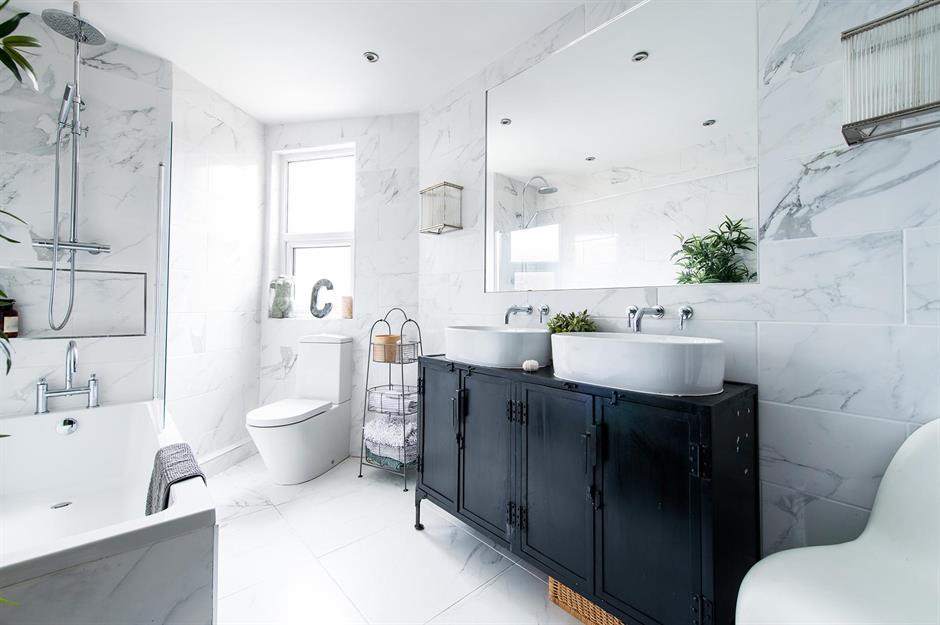
Towels, shampoo bottles, toothbrushes, spare toilet rolls – you'll need to find room for all these things and more. If possible, include a mixture of bathroom storage: open shelving for attractive toiletries and accessories, and cupboards for more day-to-day bits and pieces. A mirrored cabinet with an integrated electric toothbrush and razor charger is a neat storage option, while built-in shelving, cupboards and drawers will help you make the most of every inch of space.
Knocking down resale value
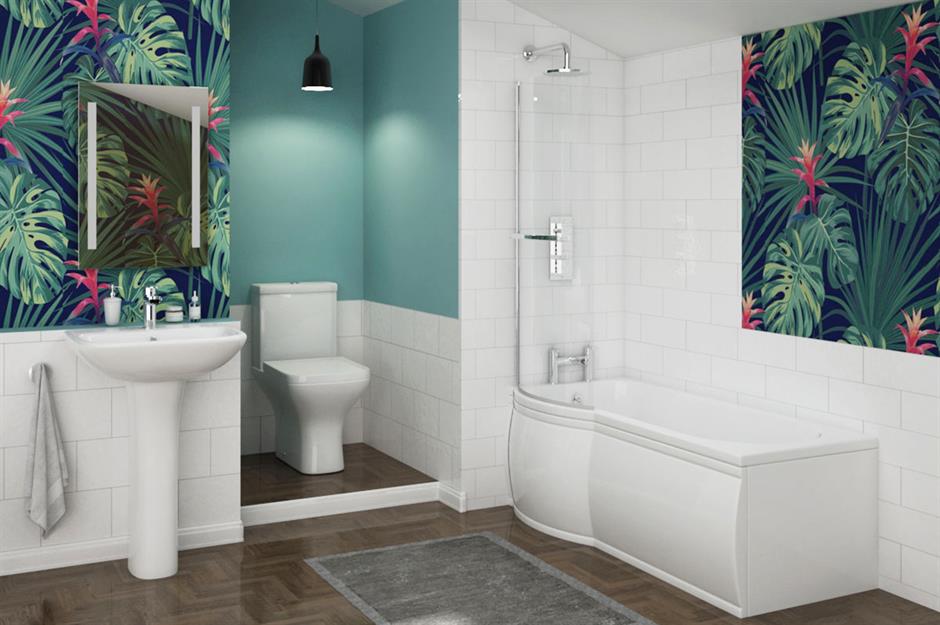
If you have any inkling that you might move to a new house in the next five years, then you'd do well to keep your bathroom a neutral and bright space that won't alienate future buyers. Grey and white bathroom suites will all stand you in good stead and are easy to personalise with your favourite colours in accessories and furnishings. Consider applying a waterproof bathroom wallpaper, painted feature wall, or add artwork and greenery to make the space yours without jeopardising a future sale price. When you're ready to sell-up, it's a simple repaint or wallpaper stripping job to get it viewing ready.
Leaving out counter space
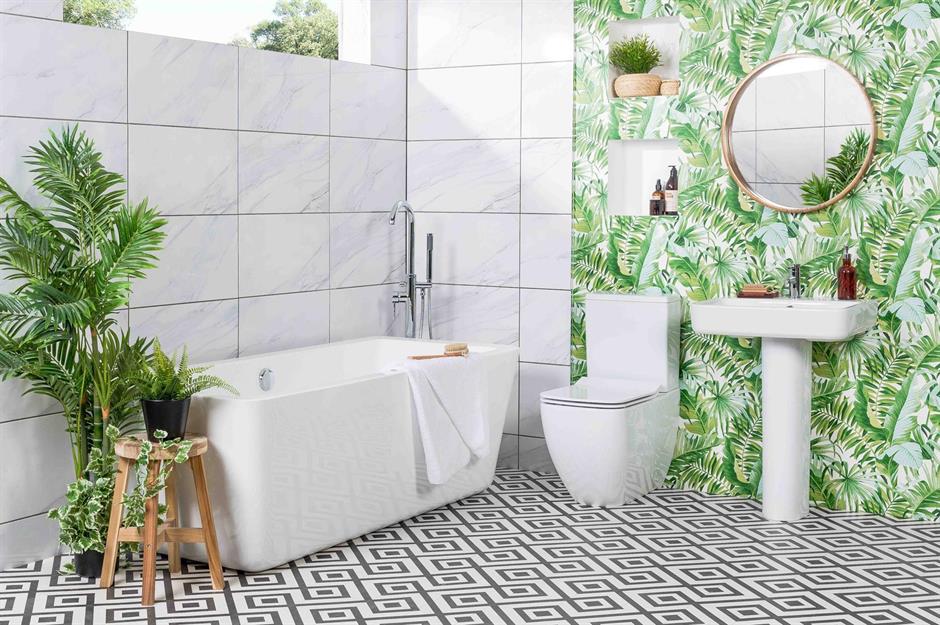
While too much clutter is unsightly you should account for creating a little bit of counter space around a vanity unit. Whether it's a place to put a make-up bag while you're getting ready or somewhere to park your morning coffee, if you don't add in a little bit of table-height surface you'll regret it.
Forgetting finishing touches
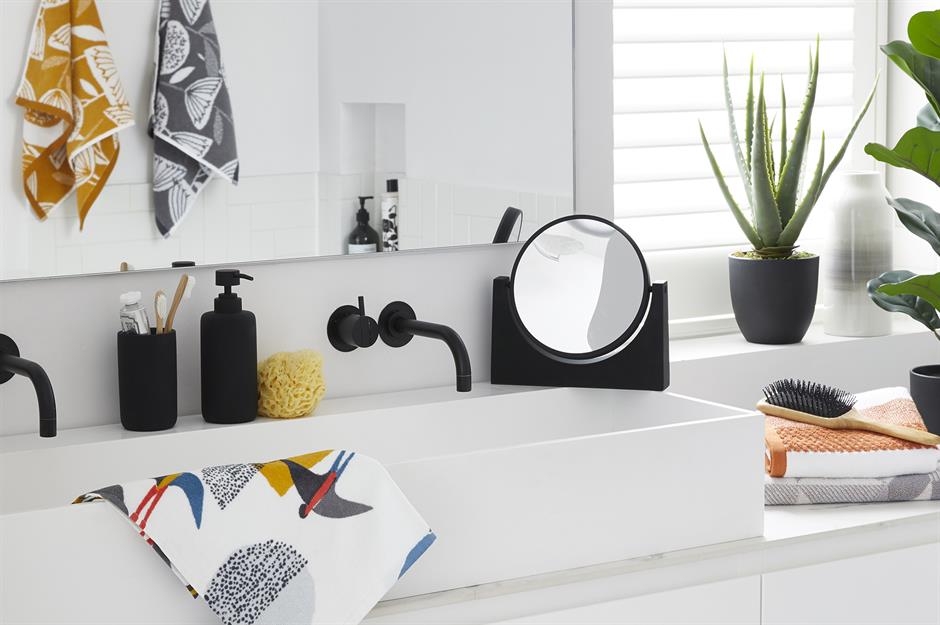
Well-chosen accessories can make or break any design scheme, and the bathroom is no exception. Treat yourself to some top-quality towels – organic cotton towels feel luxurious and are eco-friendly, too. If you're short on hidden storage, consider decanting shampoos and shower gels into attractive bottles. Small soaps and bath salts can be stored in glass Kilner jars.
Insufficient heating
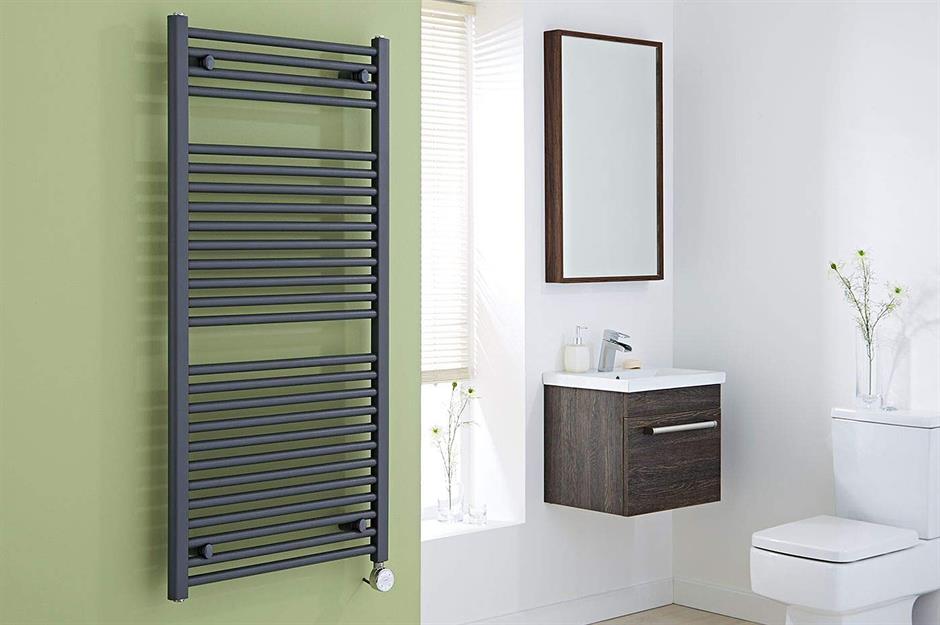
If you have a large bathroom or live in a poorly-insulated house, chances are a single heated towel rail won't be enough to keep your bathroom warm, especially in winter. Work out exactly how much heating you need using a British Thermal Unit (BTU) calculator, such as the one on the B&Q website. Underfloor heating is a great space-saving option for a bathroom and will make dark, chilly mornings that little bit more bearable.
Not considering worst-case scenarios
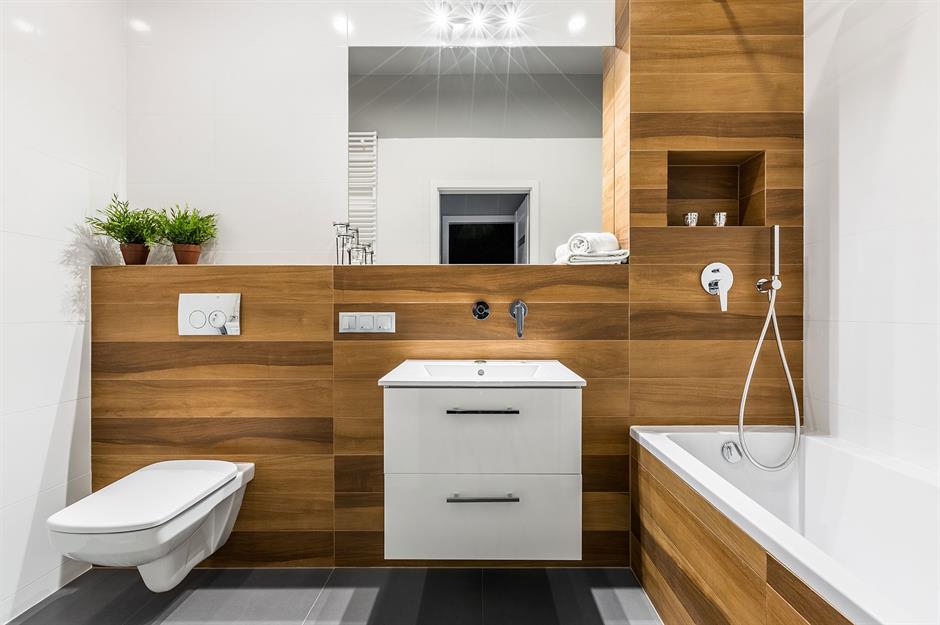
Future maintenance can cost thousands if there are problems that can't be quickly fixed, such as inaccessible taps or pipework, which means you must rip up flooring or damage walls if problems occur. Use fixings that can easily be unscrewed if necessary or perhaps create a false tile or bath front that'll give easy access to a plumber.
Not thinking about height
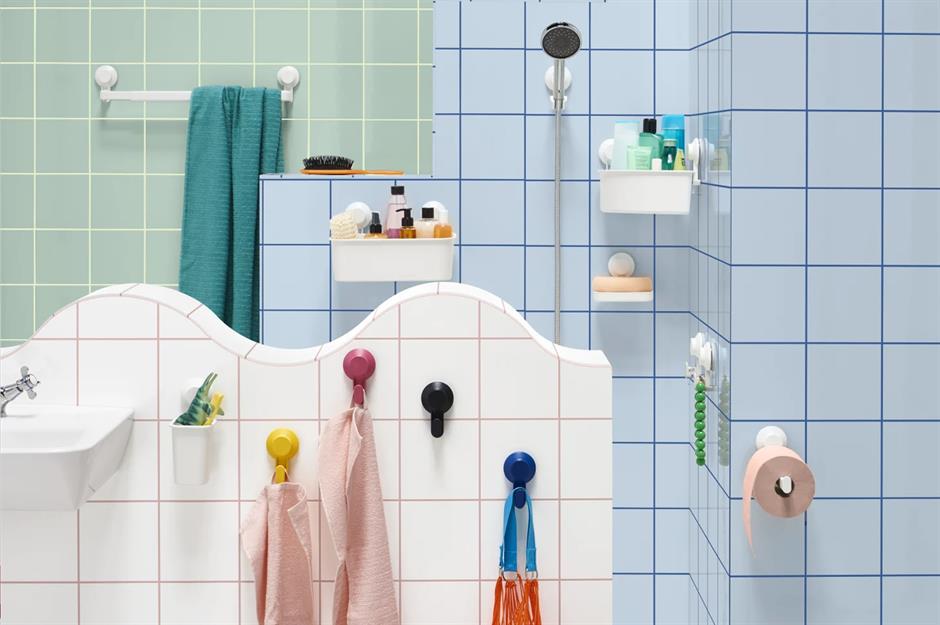
The height of a towel rack, the depth of a bath and a slightly too low shower head can mean the difference between an average bathroom and a brilliant one. Think about the tallest and the shortest person in the house, and that could include small children, before deciding where things should go.
Being too cautious
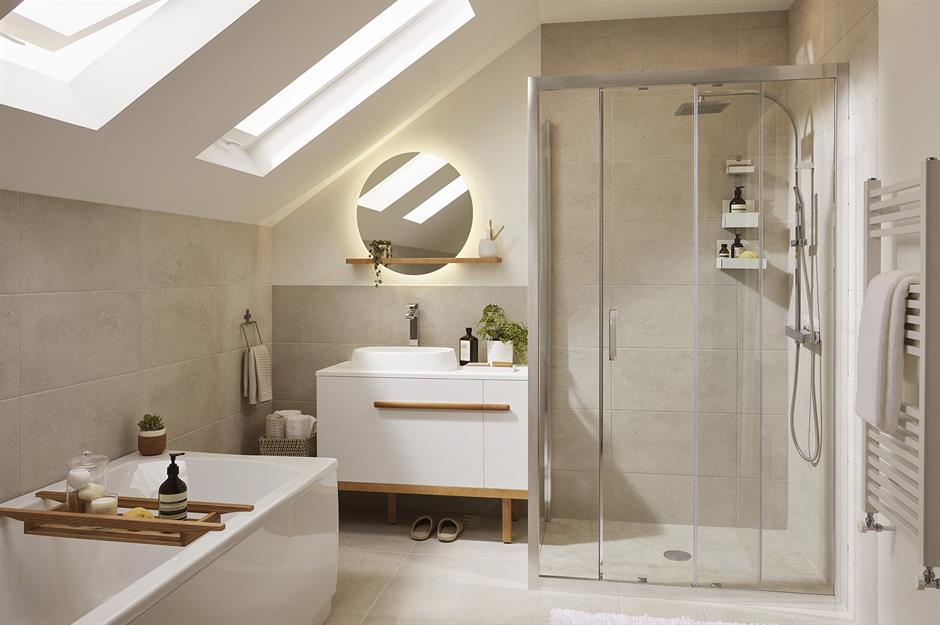
There could be an opportunity to add character to your bathroom by removing a drywall or false ceiling and expanding upwards into the rafters so be brave! An eaves space is fabulous over a bath, as is adding a skylight, which allows you to watch the weather while enjoying a soak. It'll also add value to your house, too.
Not filling the bath
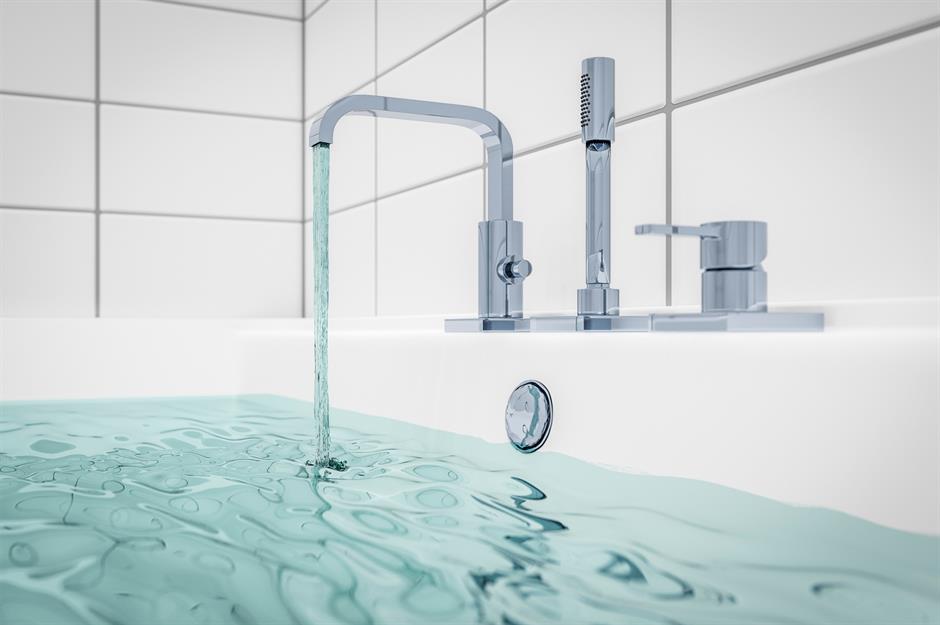
One of the biggest nightmares a homeowner can face is springing a leak in the bathroom. Luckily, there are a few things to do when you're installing to protect yourself against any future disasters. The bath overflow needs to be checked when it's plumbed in and if you half-fill the bath with water before applying your sealant, it will account for the extra weight and flex which should stop cracks appearing.
Poor ventilation
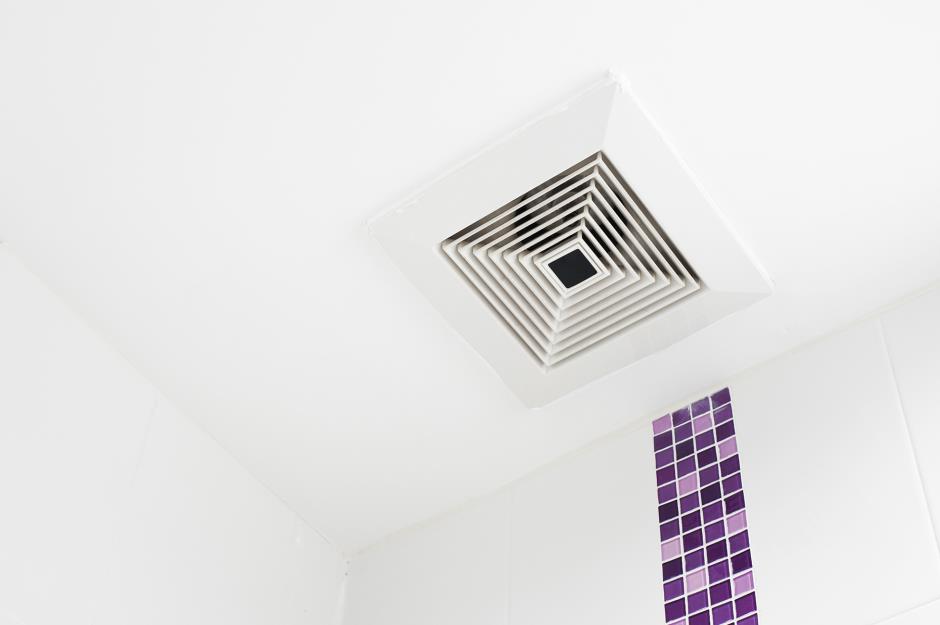
The bathroom is the most humid room in the house, making it the ideal breeding ground for mould if you're not careful. Invest in a good extractor fan that stays on on a timer after you've left the room. This is especially important if you have an internal bathroom with no windows.
Skipping a tiling plan

It doesn't matter how good your tiler is – leave them to tile your bathroom without giving them any guidance and you risk getting results you're not happy with. Small details, such as making sure the tiles in a niche follow on seamlessly with wall tiles, will give your bathroom that coveted designer edge. Make sure you alert your tiler to any details like this, ideally by drawing up a plan of exactly how you would like your tiles to be laid.
Overlooking the importance of good grouting
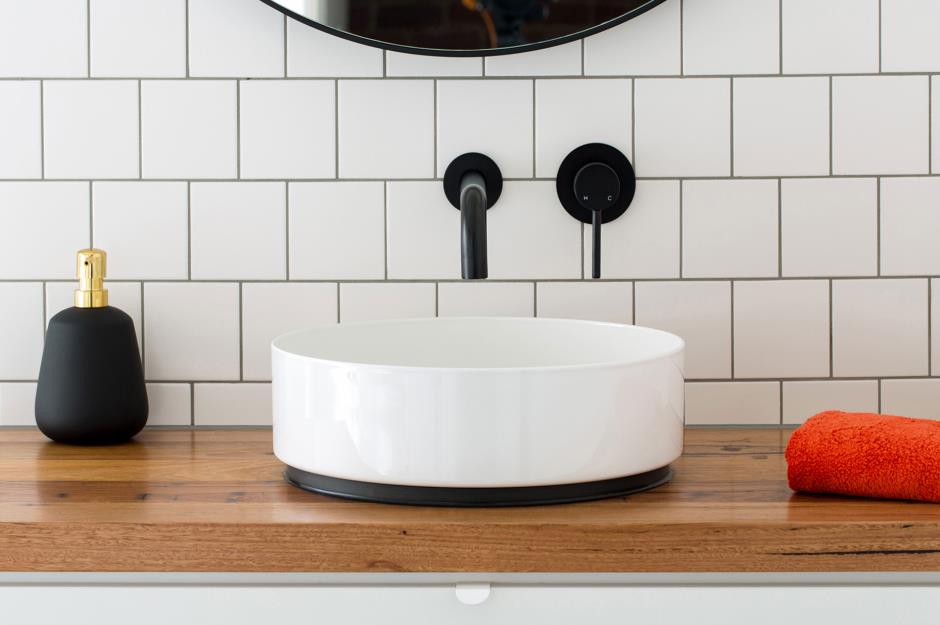
Plain tiles can be given an instant overhaul simply by choosing the right grout. A darker grout can create an eye-catching pattern in its own right, while a brightly-coloured grout will make an even bigger style statement. If you want your grouting to last and not leak, go for epoxy grout rather than cement grout, as it's highly durable, waterproof and practically stain-proof.
Wasting water

Water is precious. Waste it and you're not only pouring money down the drain but you're not doing the planet any favours either. Luckily there are plenty of tricks that can help you save water without having to ditch your daily soak in the tub or power shower. Start by fixing any leaky taps. Look out for shower heads with the water-saving WaterSense label, install a low-flush toilet, or pop a brick in the cistern if you have an older model – just check with your plumber before you try this!
Not asking the experts
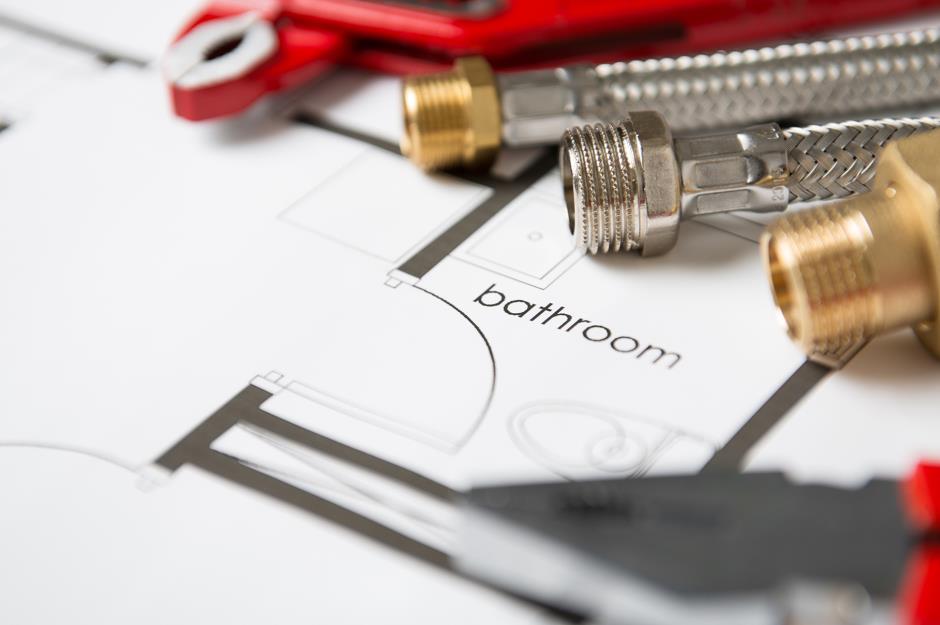
Even if your DIY skills are second to none, it's still a good idea to consult expert advice before you start your project. Many high street and high-end bathroom stores have design teams who can help you iron out any flaws in your bathroom plan. In some instances, seeking advice is non-negotiable. If you want to knock down walls, move or add windows or install new joists, you'll need to check with your local building control office about whether you need Building Regulation approval.
Careless lighting
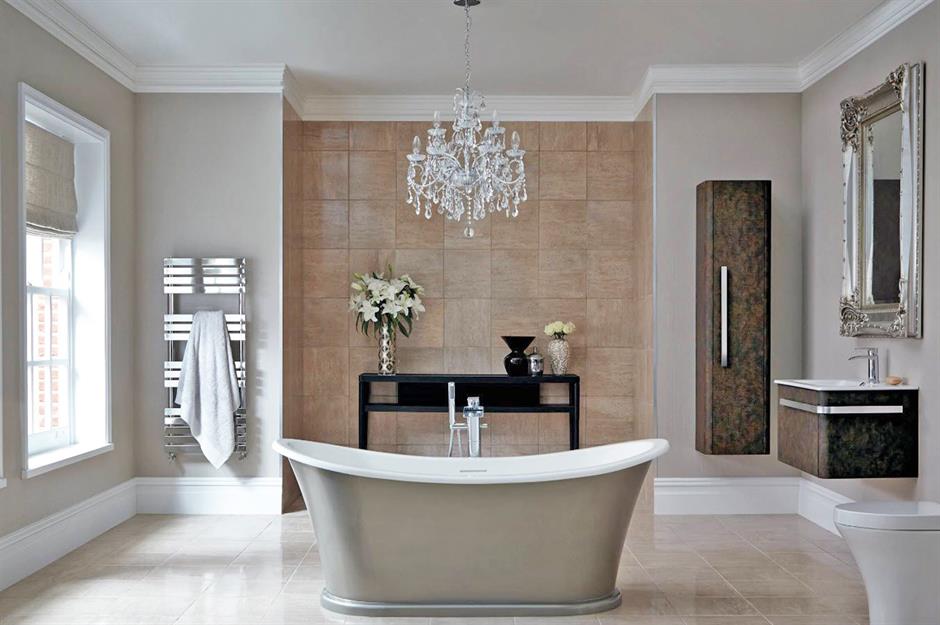
Bad bathroom lighting is at best impractical and at worst dangerous. Make sure you layer up a mix of general lighting, task lighting (for make-up etc.) and mood lighting for unwinding in the tub. If you want to include statement fittings such as a chandelier or sconces, it's essential that you choose an option with an ingress protection (IP) rating, which is safe to use in wet areas. Here's a handy guide to choosing the right IP-rated lighting depending on what 'zone' you are using it in.
Not protecting the rest of the house
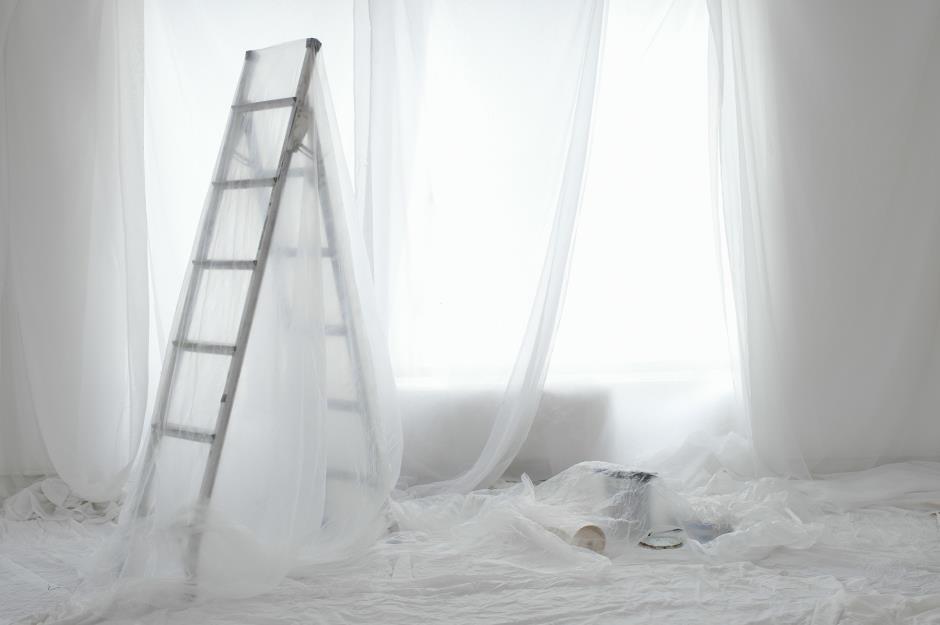
Every building project generates dust. Hauling heavy equipment and products to and from the bathroom can also scuff up your floors. Minimise the damage by protecting floors of hallways and any other rooms used to access the bathroom with a temporary floor covering, such as Correx. If your bathroom is an ensuite, cover bedroom furniture with dust sheets.
Fitting a carpet
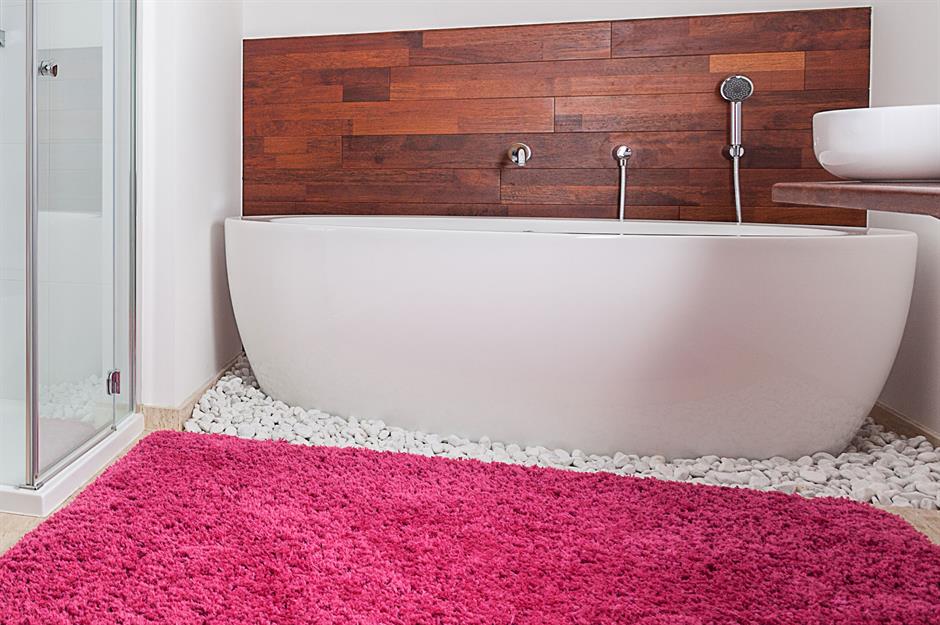
Thinking of laying carpet in your bathroom? Think again! It may have been popular in the 70s but it's not a practical flooring choice. Fibres will trap moisture leading to mould; bacteria can thrive in the pile which also leads to bad odours. Then, there is the matter of stain occurrence from toothpaste, soap and dare we say it, urine. For a more hygienic alternative look for a machine washable bath mat.
Choosing incompatible fittings
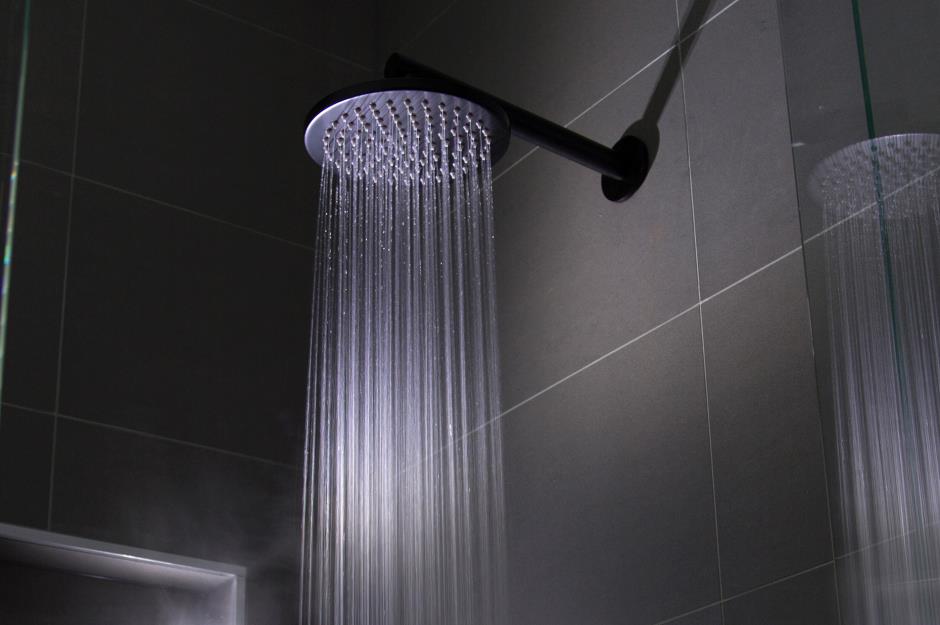
Dream of starting the day being pummelled by a rainfall shower and massage jets? So do we, but before you go splashing out, make sure your water system is up to the job. Speak to a plumber or bathroom specialist to work out whether your current system can handle something like a power shower and be prepared to upgrade your boiler, water tank or pump if need be.
Omitting a place for towels
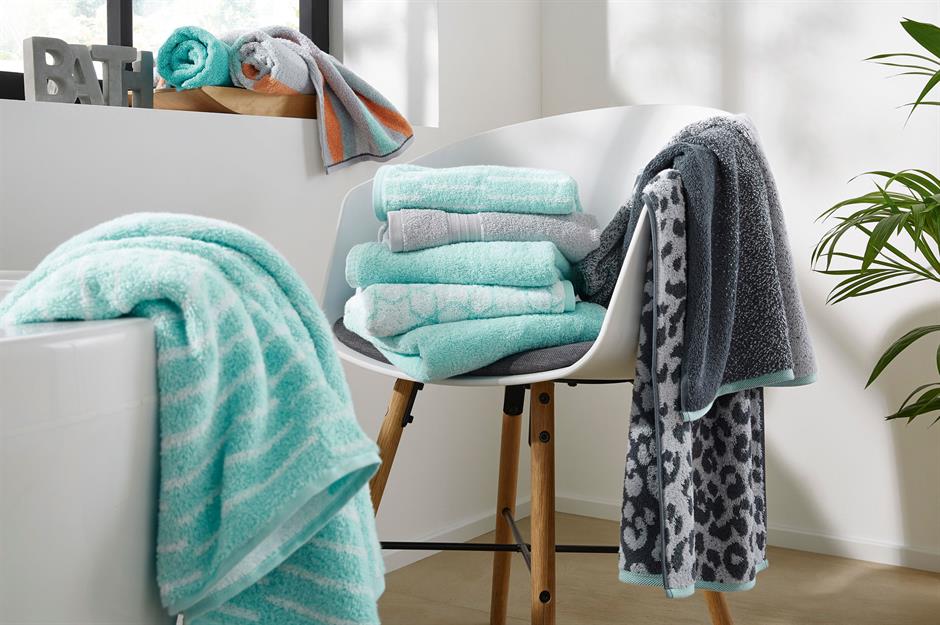
Don't ruin your beautiful new bathroom with messy piled towels. Keep fresh towels within easy reach with a laundry cupboard or displayed neatly folded on wall shelves. And, soggy towels on the floor is a definite no! So, if there is room, a laundry basket just for used towels will keep floors clean, dry and tidy.
Going too big... or too small with tiles
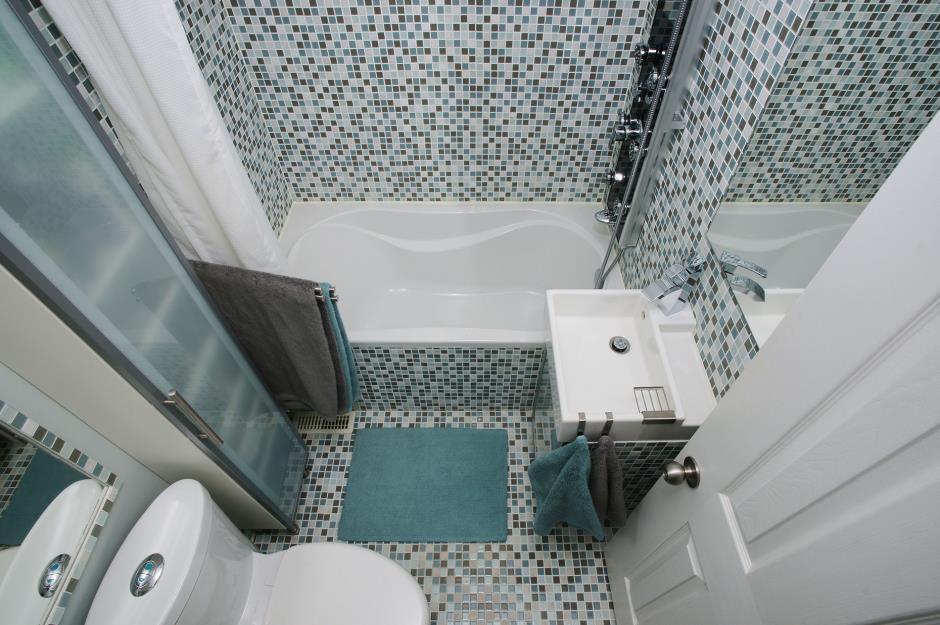
Use oversized tiles in a small bathroom and chances are you'll end up having to cut the edge pieces down to size, which can look messy and awkward. But go too small, and your bathroom may feel too busy. Medium-sized floor tiles of around 45cm x 45cm are often the safest bet in a small space. You can go a bit smaller on the walls, as long as you limit the pattern and colour palette.
Inadequate drainage
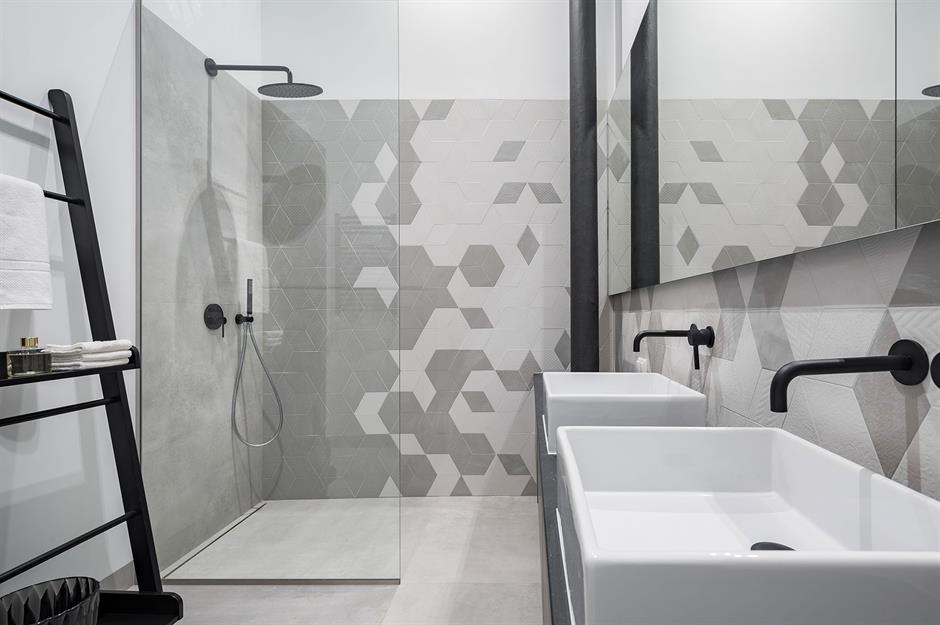
A seamless wetroom-style bathroom sounds exquisite but without effective drainage and waterproofing, there's a real chance of leaking or even flooding that could have disastrous and costly consequences. Location, flooring, flow rates and drainage all need to be considered before going ahead. Consulting a reliable service provider is vital for such a project.
Putting wall tiles on the floor
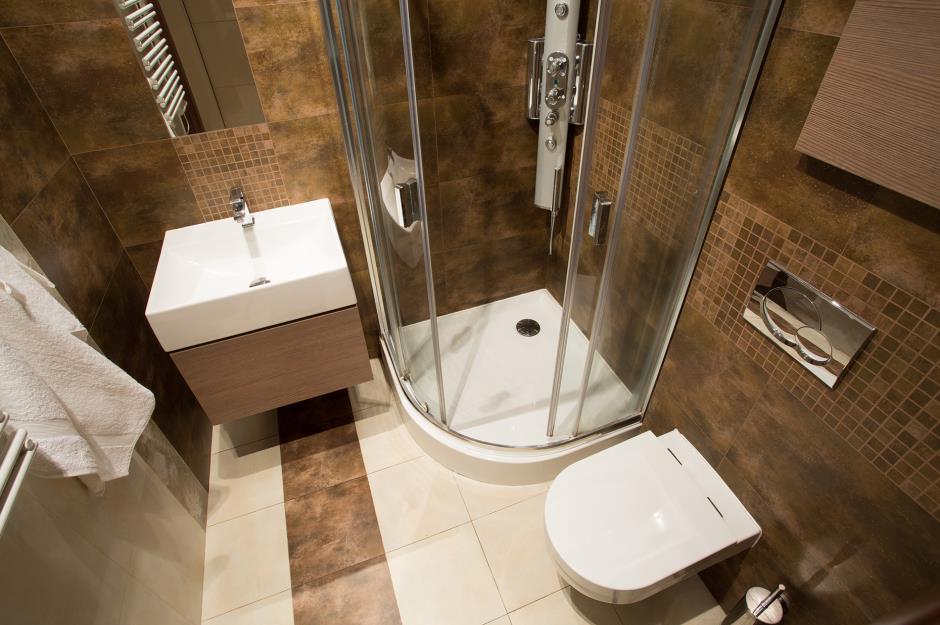
This may sound obvious but when you fall in love with a particular tile design it can be easy to overlook how suited it is for the task at hand. Always check whether a tile is hardy enough before using it on your bathroom floor, or you may find yourself living with unsightly chips before too long. Similarly, some floor tiles are just too heavy to use on partition walls. Many designs are suitable for both walls and floors but if in doubt, ask your tile supplier before you buy.
Choosing porous paint
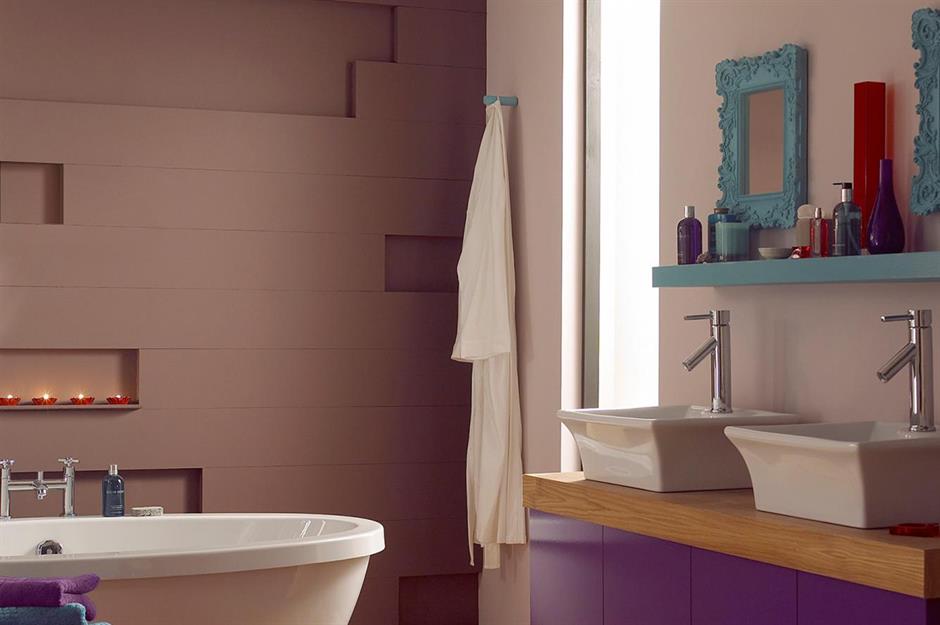
When it comes to painting a bathroom you need to think about a finish that can handle a hot and steamy environment or the paint will flake and peel in just a short time. Look for moisture-resistant paint or versions specifically produced for bathrooms that are anti-mould and mildew.
Going overboard on colour and pattern
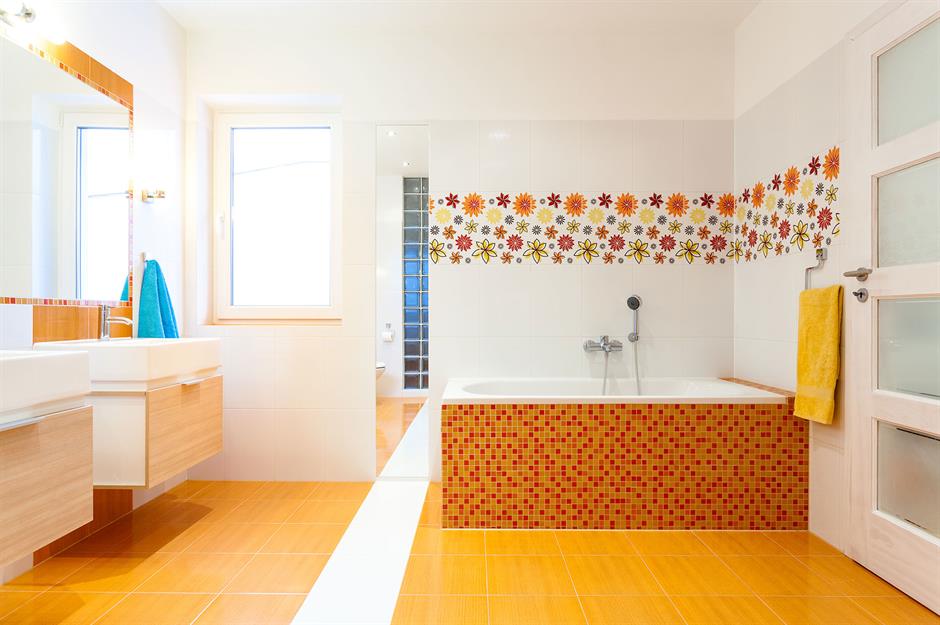
Block colour and statement bathroom features are on-trend but before you order too many terrazzo tiles and vibrant paint shades, be sure to balance the scheme or you could end up with an overpowering jumble. Colourful bathrooms are also likely to date quicker, so it could end up knocking money off your home's value.
Doing it all yourself
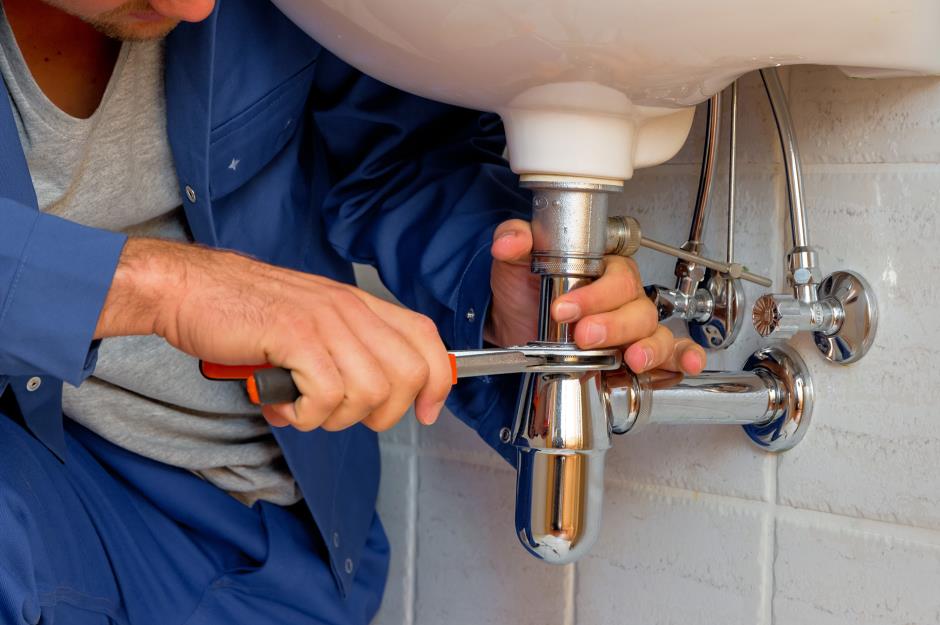
Unless you're a seriously experienced DIYer, there are certain bathroom renovation jobs that are best left to the professionals. Getting your plumbing right is essential and can be easier said than done thanks to rules about pipe widths, angles and drainage gradients. Hiring a plumber could save you time, stress and money in the long run. For any electrics, play it safe and hire an electrician.
Being seduced by the showroom
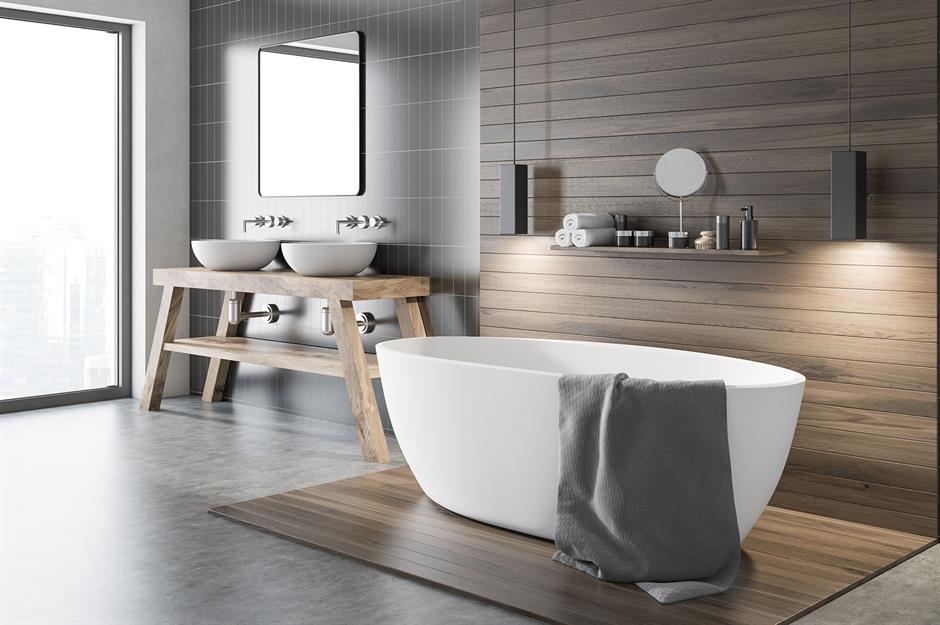
We've all been there: falling in love with glorious waterfall showers, statement sinks and enormous soaking tubs after a trip to a glamorous bathroom showroom. In reality, these room sets have been designed around the suite with perfect proportions, so it'll never feel cramped or 'too much'. Put that oversized bath in your average family home though and it soon becomes an albatross. Too often it becomes a glorified towel holder, filling it up takes forever and it's too big to get children in and out of safely. You're better getting something more suited to the space that you'll use every day.
Choosing the wrong floor
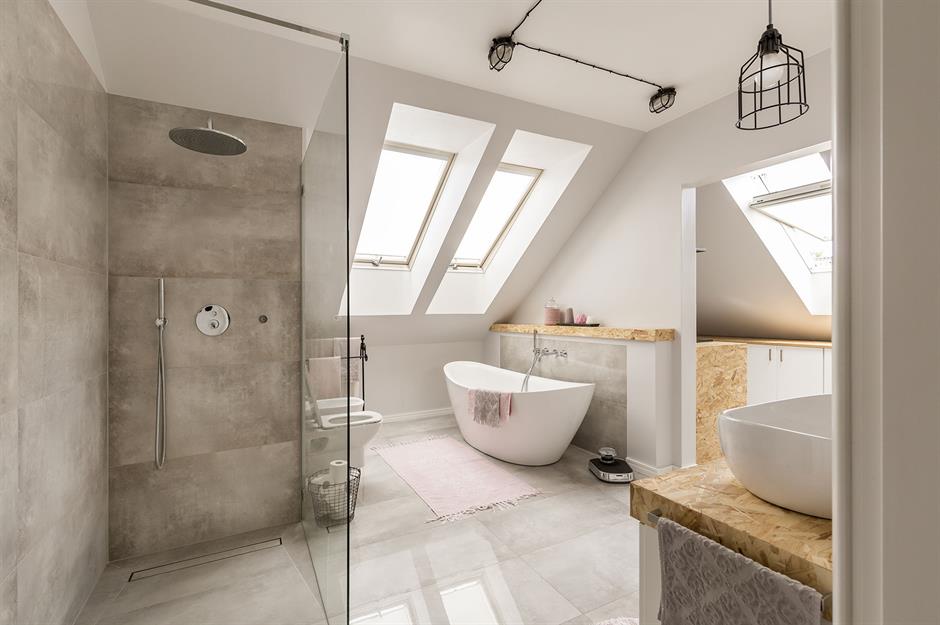
Flooring is a great area in the bathroom that can make a statement but a shiny surface and water can be an ultra-hazardous combination. When choosing flooring think about who will be using the space; modern marble is gorgeous for a grown-up ensuite but not ideal for elderly members of the household and small children. If you want extra protection, lookout for slip-resistant surfaces like rubber flooring and lay down a stylish bath mat for extra water absorption.
Loved this? Check out theseaffordable luxury bathroom ideas everyone can afford
Be the first to comment
Do you want to comment on this article? You need to be signed in for this feature
Source: https://www.loveproperty.com/gallerylist/71172/45-mistakes-to-avoid-when-designing-a-bathroom
0 Response to "Does a Waterfall Bathroom Vanity Look Funny on Just One Side"
Post a Comment